Where we start
Understand the current state
We review what already exists before suggesting more work: assets, access, data, pages, campaigns, tools, team responsibilities and the points where customers or staff get stuck.
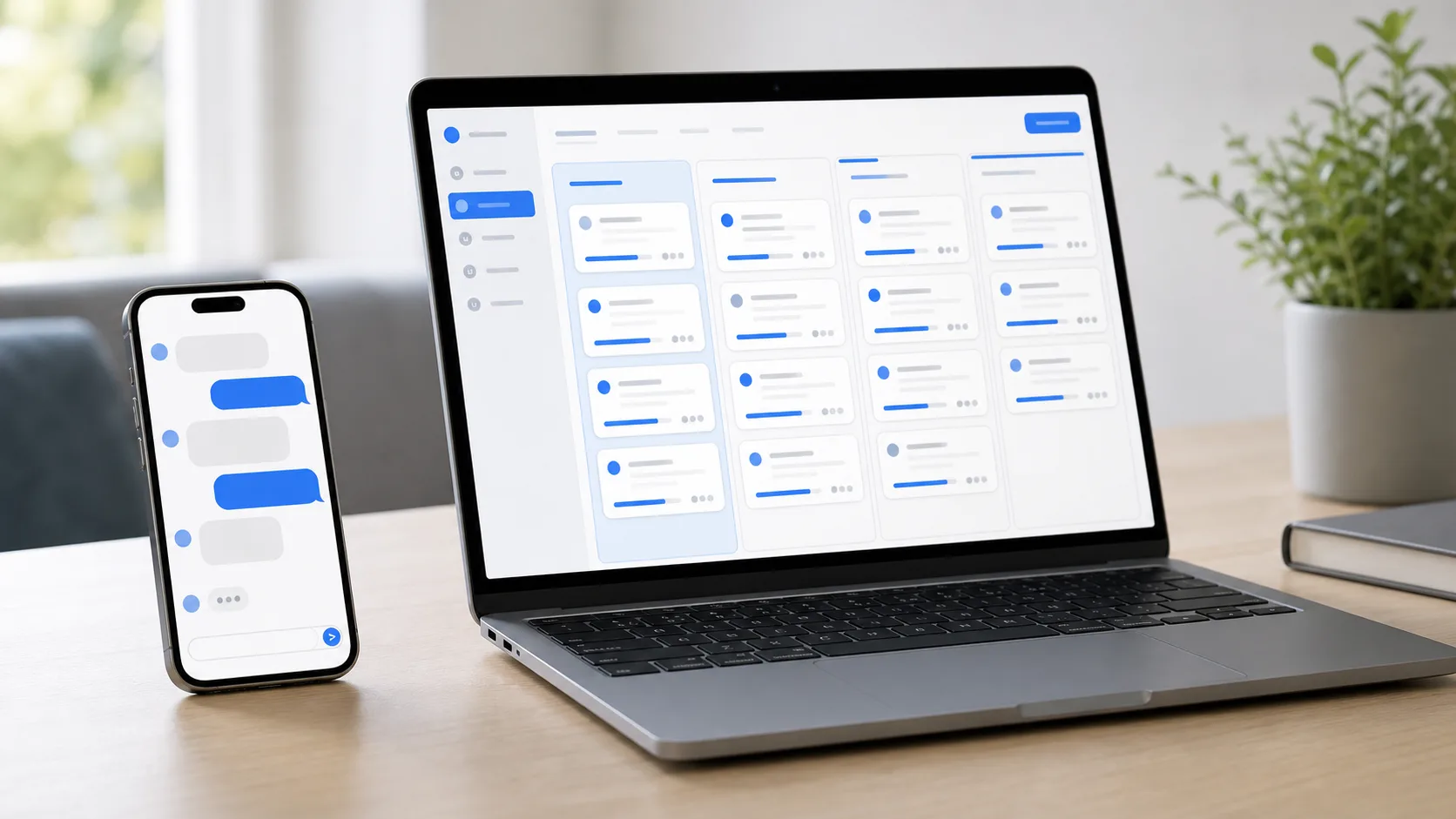
A CRM built specifically for your sales process on a platform like HubSpot, Zoho or Pipedrive — pipeline stages, follow-up automation and reporting designed around how your team actually sells, not a generic template.
Service depth
A good engagement should make the business clearer, easier to operate or easier to grow. For CRM Development, the practical goal is a cleaner sales process where leads, tasks, follow-ups and reporting are easier for the team to manage.
Most automation problems are not caused by a lack of tools. They happen because the customer journey, team responsibilities and follow-up rules were never mapped clearly. The right setup should reduce confusion for the team and make the customer experience faster and more consistent.
For automation and systems work, we review the existing tools, lead sources, team handoffs, customer messages, follow-up timing, reporting needs and exceptions that still require a person. The aim is to automate the repeatable parts without hiding important context from the team.
Elite Marketing keeps the work grounded in what can be checked: the current website or system, the available data, the customer journey and the actions your team can realistically approve and maintain. That means the recommendation may include quick fixes, deeper content work, technical cleanup, campaign changes, system setup or a staged plan that avoids trying to change everything at once.
Where we start
We review what already exists before suggesting more work: assets, access, data, pages, campaigns, tools, team responsibilities and the points where customers or staff get stuck.
What we improve
The work is prioritised around gaps that affect visibility, trust, conversion, follow-up or reporting. This keeps the scope useful instead of turning it into a long list of disconnected tasks.
How we measure
Reporting should connect the work to business signals: enquiries, calls, sales conversations, completed forms, better-qualified leads, cleaner workflows or fewer missed follow-ups.
How we work
The aim is to keep the work understandable while it moves. You should know what is being changed, why it matters and what needs your approval before the next step.
We start with the real business problem, the current setup and the people who will use or approve the work.
The scope is turned into clear priorities, responsibilities, milestones and checks before implementation begins.
Approved work is delivered in controlled stages, with practical QA and notes your team can understand later.
Performance, feedback and new data guide the next improvements instead of treating launch as the finish line.
Useful questions
These are the conversations that prevent confusion later: what is included, whether it is the right move, how long it may take and how success will be judged.
The exact scope depends on what you already have and what needs to improve. It may include Platform selection (HubSpot, Zoho, Pipedrive) matched to team size and sales process, Custom pipeline and deal-stage configuration, Automated follow-up sequences and reminders, Sales reporting and forecasting dashboards, Integration with email, calendar and marketing tools. Before work starts, the proposal confirms what is included, what is not included and what access or approvals are needed from your side.
Sometimes yes, sometimes not yet. We look at the business goal, current website or systems, available budget and likely bottlenecks first, then recommend this service only if it is a practical next step.
Timing depends on the scope, access to accounts or content, integrations, feedback speed and the amount of testing needed. After discovery, you get realistic milestones instead of a vague promise.
We agree useful measures against your starting point. Depending on the service, that might mean enquiries, calls, qualified leads, sales activity, smoother operations, cleaner reporting or fewer manual follow-up gaps.