Understand
We begin with your goals, audience, current systems and the constraints that will shape a useful solution.
Implementation follows a structured path — requirements and business process analysis, module mapping, configuration, data migration, testing and training — rather than one big-bang rollout. Platform choice is matched to what the business actually needs today, with room to add modules as it grows rather than a full rebuild later.
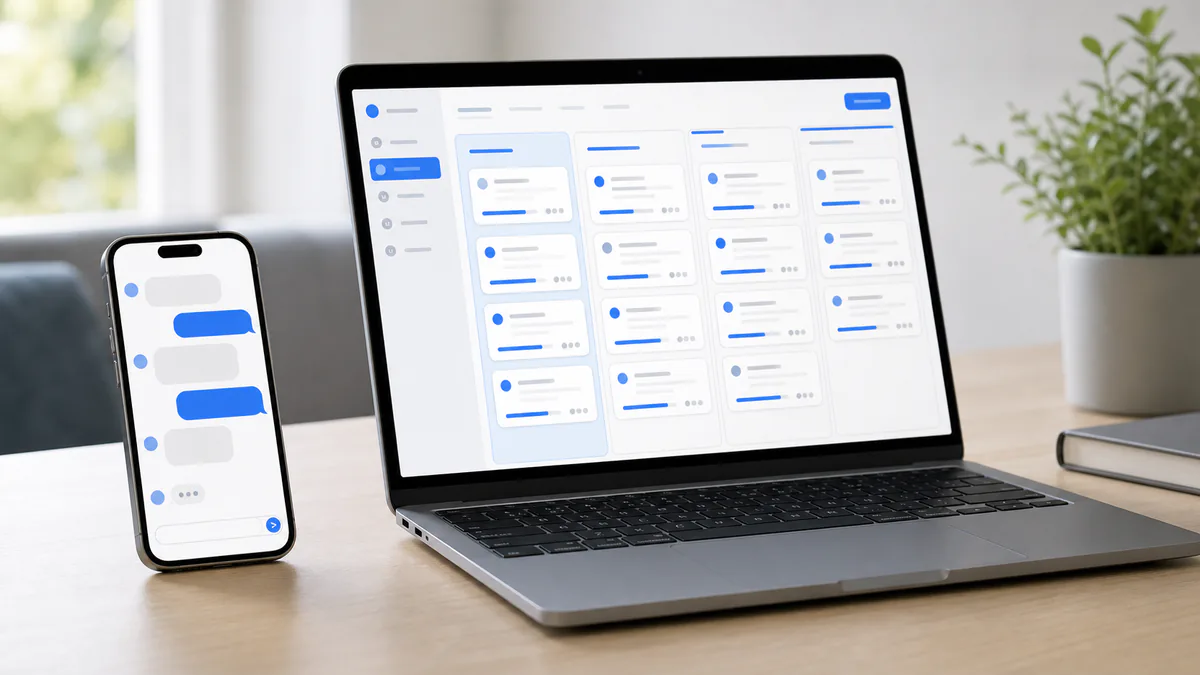
A considered engagement
No two organisations start from the same place. The process keeps decisions visible and makes room for the evidence gathered along the way.
We begin with your goals, audience, current systems and the constraints that will shape a useful solution.
The work is prioritised into a clear scope, with responsibilities, milestones and measurement agreed before implementation.
Approved work is delivered in controlled stages, checked as it progresses and documented for the people who will use it.
Performance and feedback guide the next changes, so the service can evolve instead of becoming a one-off exercise.
A complete service guide
These sections explain the intended outcome, assessment, delivery controls and measurement in enough detail to support an informed first conversation.
Useful ERP Deployment work begins with the business decision it needs to support. Discovery connects the service to the audience, offer, customer journey and operating capacity instead of treating platform activity as an outcome. The engagement is framed around a practical improvement, with unsupported promises and vanity measures removed from the scope.
The initial review covers process ownership, data quality, roles, permissions, reporting, integrations, exceptions and migration risk. Existing evidence is separated from assumptions, material gaps are recorded, and dependencies are prioritised by likely impact and effort. Work that cannot yet be completed responsibly because access, data, content, legal review or internal ownership is missing is made visible before implementation begins.
An appropriate programme can include requirements mapping, configuration, data preparation, integrations, acceptance testing, training and cutover. Foundational risks are addressed before scale, important assumptions are tested early and approved changes are introduced in reviewable stages. Each stage has an owner, acceptance criteria and a visible decision point, making progress easier to assess and reducing the cost of changing direction.
The proposal converts the recommendation into named deliverables such as Requirements gathering and business process analysis across departments, Module mapping and platform selection matched to business size and growth plans, Configuration of financials, inventory and order management, plus data migration, Structured testing and phased go-live, not a single big-bang cutover, Team training and post-launch support. It also records exclusions, client inputs, access arrangements, review windows and change control. Quality assurance checks the delivered work against the approved scope and the real user journey. Significant decisions and exceptions remain traceable rather than disappearing into informal messages.
Reporting can consider process completion, data accuracy, adoption, exception volume, reporting reliability and cycle time. Results are compared with an agreed baseline and interpreted in context; one platform number is not presented as proof of business value. Reporting explains what changed, what the available evidence suggests, which limitations remain and what action is recommended next. Incomplete tracking is corrected or disclosed before confident conclusions are made.
ERP Deployment is most valuable when the organisation can operate and improve it after launch. Documentation records important settings, dependencies, approvals and limitations. Training is matched to day-to-day owners, monitoring surfaces failures, and future work is prioritised from observed behaviour and business feedback rather than an automatic recurring checklist.
Before you commit
Clear scope and realistic expectations make for better work. These are the questions worth resolving early.
The recommended scope is based on your starting point and goals. It can include Requirements gathering and business process analysis across departments, Module mapping and platform selection matched to business size and growth plans, Configuration of financials, inventory and order management, plus data migration, Structured testing and phased go-live, not a single big-bang cutover, Team training and post-launch support. A proposal confirms the exact deliverables before work begins.
That depends on the problem you need to solve, your current setup and the outcome you want. Elite Marketing reviews those factors first and recommends this service only when it is a practical fit.
Timing varies with scope, access to existing systems or content, required integrations and approval speed. You receive realistic milestones after discovery rather than an unsupported fixed promise.
Useful measures are agreed against your baseline and business objective. Reporting focuses on meaningful actions and operating improvements, not activity or impressions without context.
Useful discovery normally requires an informed owner, access to relevant non-sensitive systems or reports, existing brand and content material, prompt factual review and clarity about constraints. Credentials are handled through a secure channel rather than email, content documents or ordinary forms.
Often it can. Existing responsibilities, licences, platforms, contracts and technical dependencies are reviewed before scope is confirmed. The recommendation identifies what can be retained, what needs cooperation or integration and where replacement would create unnecessary cost or risk.